Need Help!

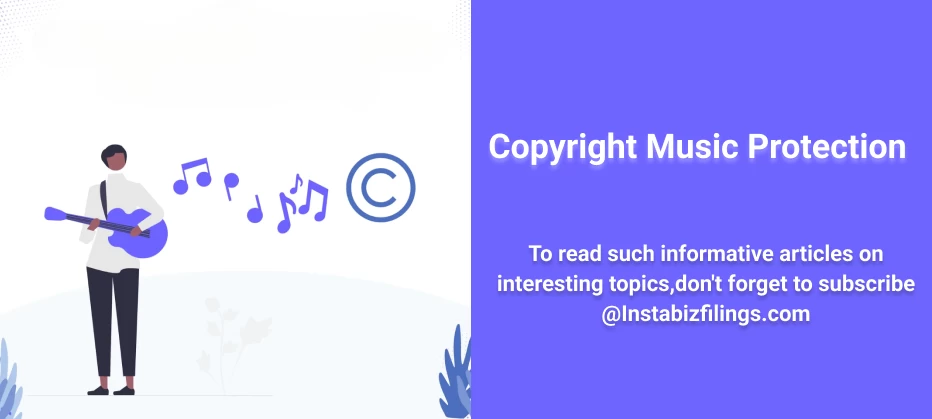
Music is a creative form of intellectual property that involves significant effort, skill, and investment by composers, lyricists, singers, musicians, and producers. Copyright music protection refers to the legal rights granted to creators to protect their original musical works from unauthorised use, copying, distribution, or performance. With the growth of digital platforms and easy access to music, protecting copyright has become increasingly important to ensure that creators receive fair recognition and compensation for their work.
Copyright is a legal right that gives the creator of an original musical work exclusive control over how their music is used. In music, copyright can apply to:
Musical composition (melody and lyrics)
Sound recordings
Performances
Once a piece of music is created and fixed in a tangible form (such as recorded or written), it is automatically protected by copyright law in most countries.
To protect the rights of music creators
To prevent unauthorized copying or distribution
To ensure fair payment through royalties
To encourage creativity and innovation
To balance public access with creators’ rights
These rights allow creators to earn money from their work. They include:
Right to reproduce the music
Right to distribute copies
Right to perform the music publicly
Right to communicate the music to the public (radio, streaming)
Right to create adaptations or remixes
These protect the personal relationship between the author and his work:
Right to be recognized as the creator
Right to Object to Distortion or Misuse of Work
Composer
Lyricist
Singer or performer
Music producer or record label
Ownership depends on contracts and agreements. Sometimes rights are shared, and sometimes they are transferred to companies for commercial purposes.
Copyright protection generally lasts:
For the lifetime of the creator plus a number of years after death (varies by country)
After expiry, the music enters the public domain and can be used freely
Encourages Creativity
Supports the Music Industry
Prevents Exploitation
Illegal downloading and sharing of music
Using copyrighted music in videos without permission
Pirated CDs and digital copies
Unauthorized remixes or covers
Public performance without license
Streaming platforms
Social media
Video-sharing websites
Copyright protection faces new challenges. Digital copying is easy and fast, making enforcement difficult. To address this:
Platforms use automated content detection systems
Creators can issue copyright claims or takedown requests
Digital rights management (DRM) is used to control access
Licensing allows others to use copyrighted music legally:
Performance licenses (concerts, radio)
Mechanical licenses (recording covers)
Synchronization licenses (music in films or ads)
Licensing ensures creators are paid while allowing lawful use of music.
Legal penalties and fines
Removal of content
Loss of reputation
Criminal liability in serious cases
Register their music with copyright authorities
Use copyright notices
Sign clear contracts
Monitor usage online
Work with copyright societies and music rights organizations
Copyright law also allows limited use of music without permission under certain conditions, such as:
Educational purposes
Research
Criticism or review
This balance ensures access to culture while protecting creators.
Copyright music protection is essential for safeguarding the rights and interests of music creators in an increasingly digital world. It ensures fair compensation, prevents misuse, and promotes creativity and cultural growth. While technology has created challenges for copyright enforcement, strong legal frameworks, awareness, and responsible use of music can help maintain a healthy and sustainable music industry. Respecting music copyright is not only a legal obligation but also an ethical responsibility.
The information provided in this blog is purely for general informational purposes only. While every effort has been made to ensure the accuracy, reliability and completeness of the content presented, we make no representations or warranties of any kind, express or implied, for the same.
We expressly disclaim any and all liability for any loss, damage or injury arising from or in connection with the use of or reliance on this information. This includes, but is not limited to, any direct, indirect, incidental, consequential or punitive damage.
Further, we reserve the right to make changes to the content at any time without prior notice. For specific advice tailored to your situation, we request you to get in touch with us.